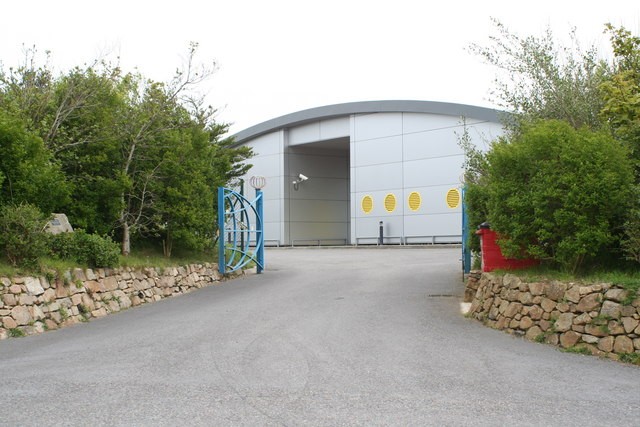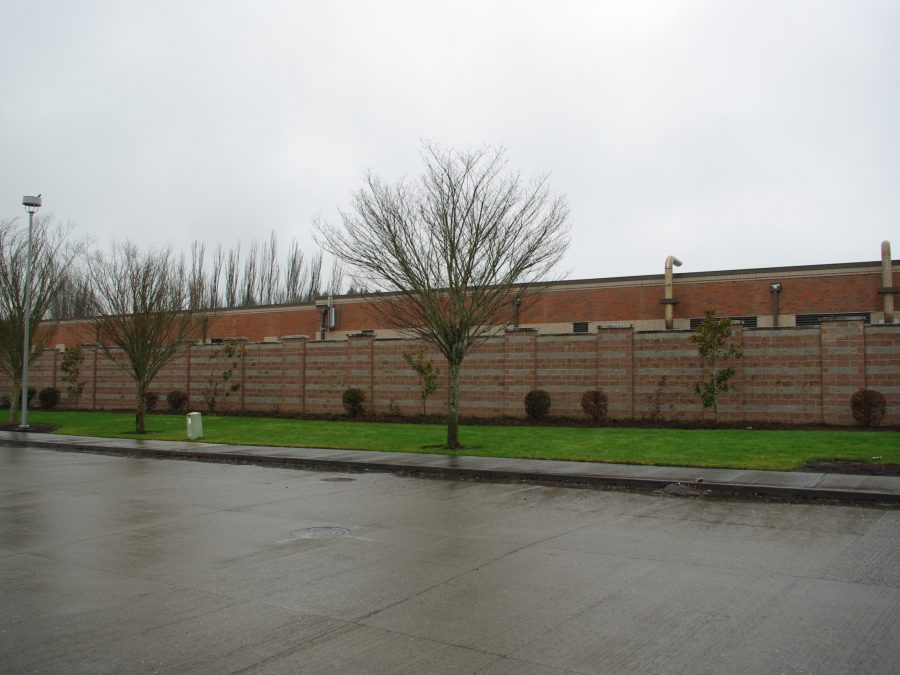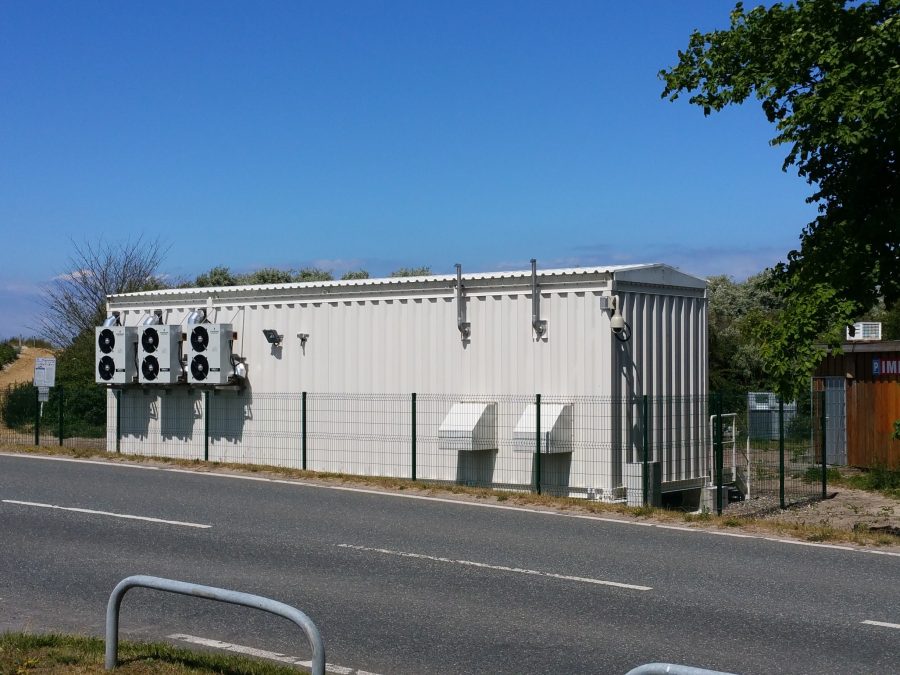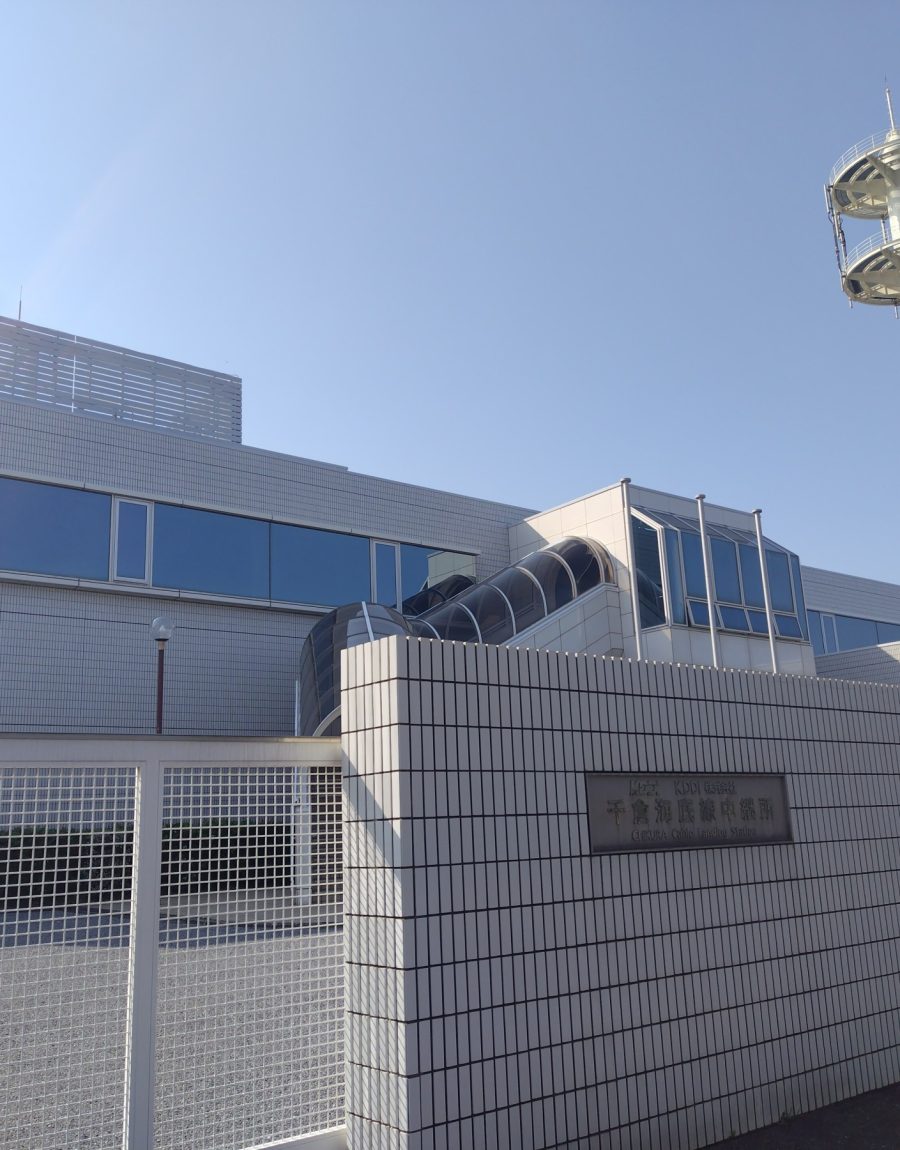
Chikura, on the Boso Peninsula in Chiba Prefecture, has been a working cable landing site for international systems for decades, and Tradewind Express’s landing here follows the same logic as most systems that came before it: a favorable deep-water approach close to shore that shortens the shallow-water, higher-risk portion of the route, plus an established terrestrial fiber path into Tokyo’s interconnection ecosystem roughly 100 km to the northwest.
The facility carries Tradewind Express’s Japan-side terminal equipment and 500 racks of colocation space across 8 MW of critical power — smaller than our largest APAC hub at Tuas, Singapore, by design, since Chikura primarily serves as a cable head and regional point of presence rather than a full carrier-neutral interconnection hub in its own right.
Japan’s position at the western end of the Tradewind Express trunk, combined with the system’s Guam branch, means Chikura also functions as an important redundancy point for regional traffic that can be re-routed through the Guam spur during planned maintenance windows on the main trunk — a routing flexibility that’s part of why the branching-unit design was worth the added construction complexity.