Manasquan is Meridian-1’s US landing point, selected for a beach approach with favorable seabed conditions and a direct terrestrial fiber path into the dense carrier-hotel and interconnection ecosystem of the New York metro area — the single largest concentration of transatlantic capacity demand on the US East Coast, and the reason nearly every major transatlantic system of the last two decades lands somewhere along this stretch of New Jersey and Long Island coastline.
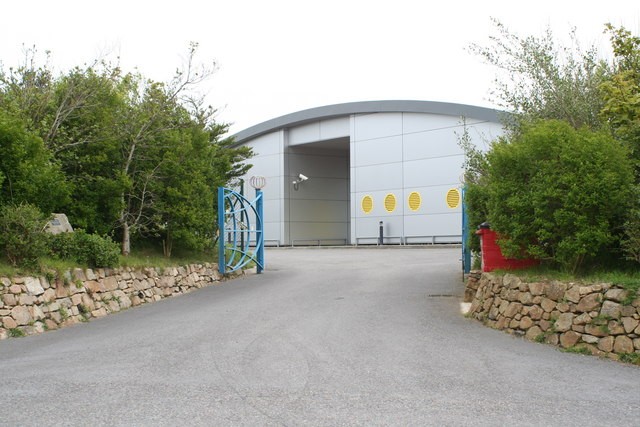
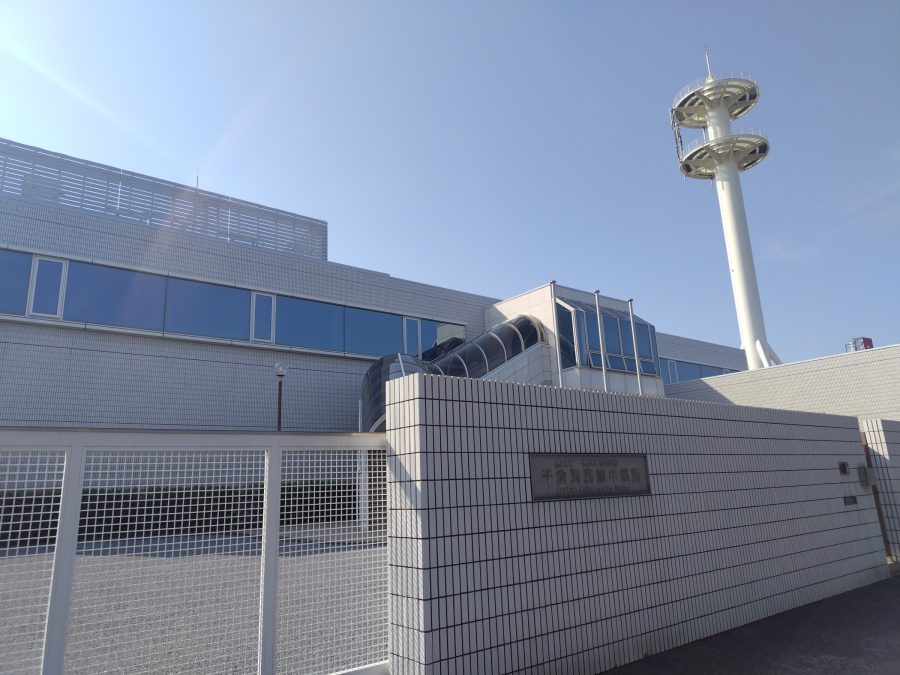
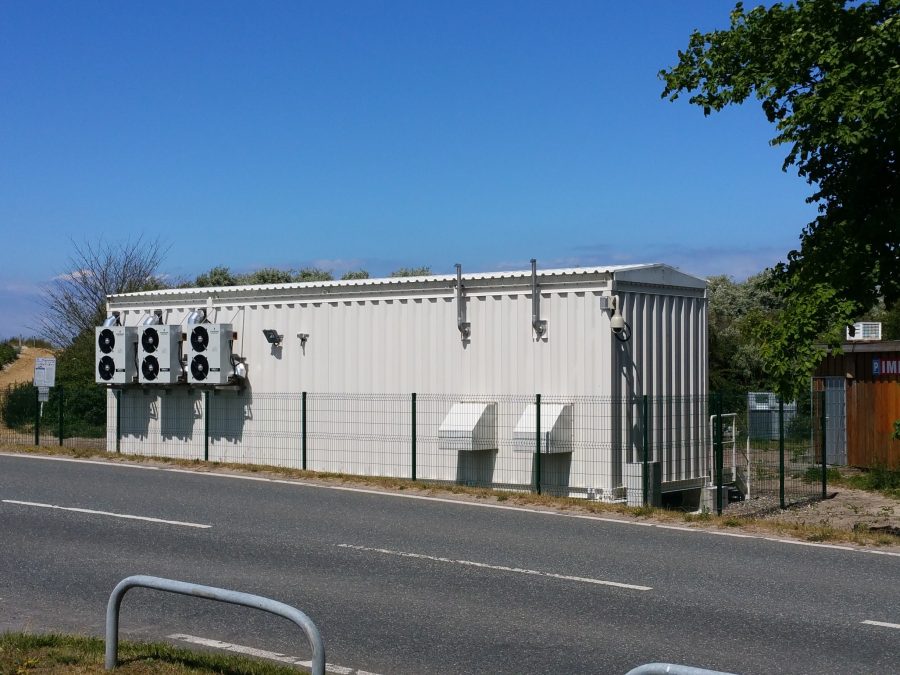
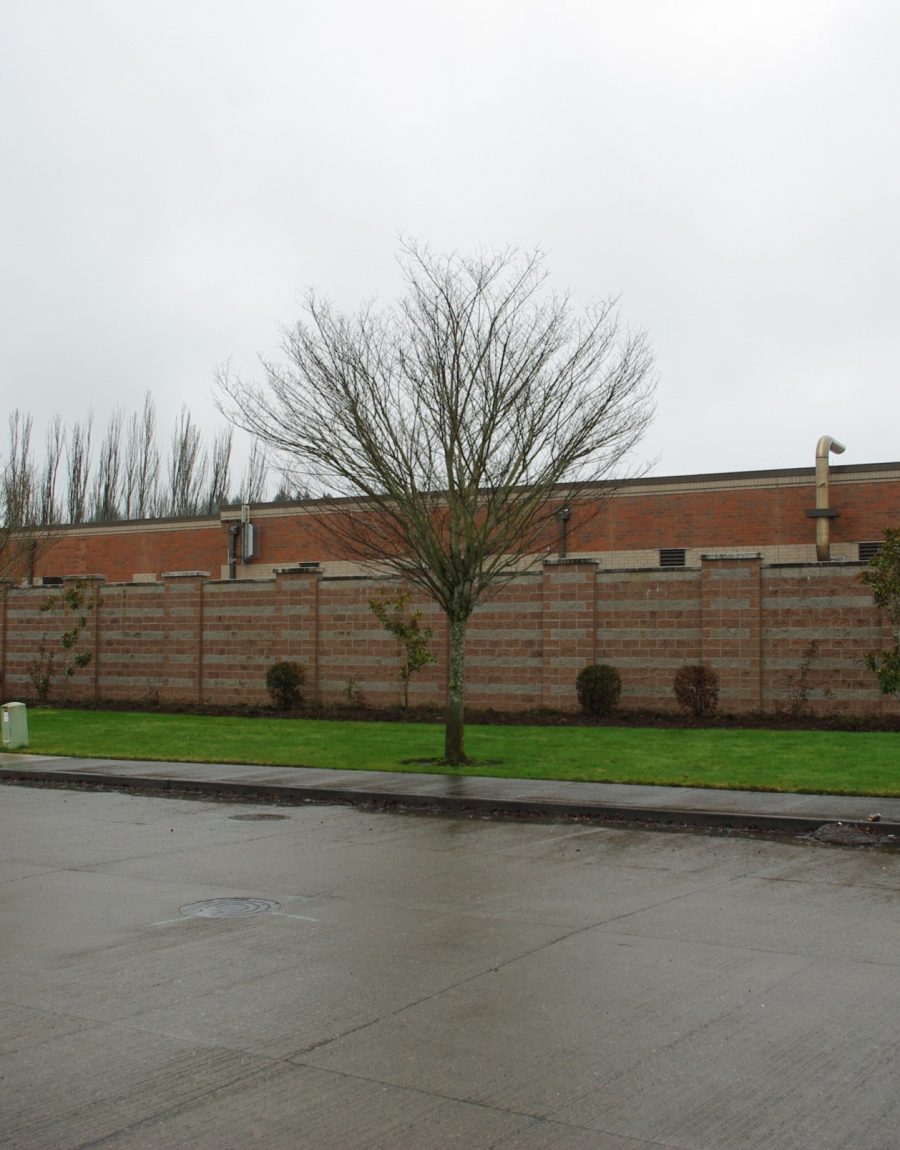
The station houses Meridian-1’s US-side line terminating equipment and optical amplification, plus 600 racks of carrier-neutral colocation space across 9 MW of critical power — sized for customers who want physical proximity to the cable head itself rather than relying solely on terrestrial backhaul into Manhattan or Secaucus data centers, which adds latency and an additional physical link into the customer’s overall route diversity picture.
Because Manasquan sits close to a genuinely busy stretch of coastline, cable protection and route marking around the shore approach is an ongoing coordination effort with local maritime authorities and fishing operators — the kind of unglamorous, continuous work that keeps fault rates on the shallow-water approach low over the system’s operating life.