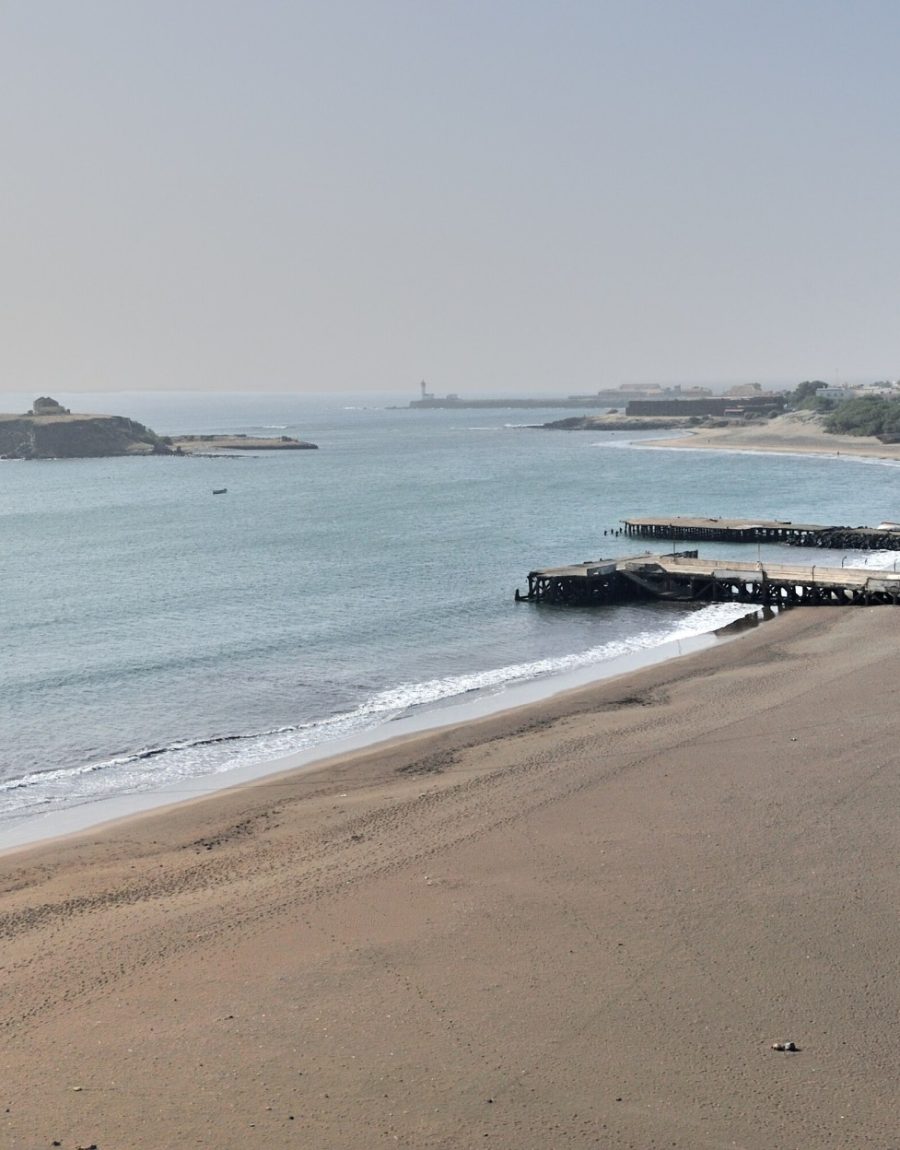
Solano Link fills a route corridor that, until 2024, had far less standalone capacity than the North Atlantic — a direct South Atlantic path from Fortaleza, on Brazil’s northeastern coast, to Sines, Portugal, with a branching unit off Cape Verde that lands a spur at Praia, giving that island nation its first genuinely diverse international connectivity path rather than a single legacy system.
Fortaleza was selected as the Brazilian landing point specifically for its position relative to the country’s main north-south terrestrial fiber backbone and its shorter cable-length exposure to the Amazon river’s freshwater outflow plume, which affects marine construction conditions further south along the Brazilian coast. On the European side, Sines gives onward terrestrial backhaul into Lisbon and, from there, the broader Iberian and European interconnection fabric.
At 7,800 km, Solano Link carries 12 fiber pairs for a combined 320 Tbps of design capacity — sized for the current South Atlantic demand curve with clear headroom for the corridor’s projected growth over the system’s operating life, rather than built to Meridian-1 or Amberline’s density, which the South Atlantic traffic base doesn’t yet support.
Solano Link is wholly owned by Current and became commercially available in 2024. It’s frequently sold in combination with Meridian-1 as a physically diverse two-route package for customers who need guaranteed onward European connectivity even if either single Atlantic crossing is out of service.