By the time a cable-lay vessel actually reaches a new system’s route, roughly 18 months of permitting, survey, and regulatory work has usually already happened — often the least visible part of building a subsea cable system, and the part most likely to actually determine a project’s ready-for-service date.
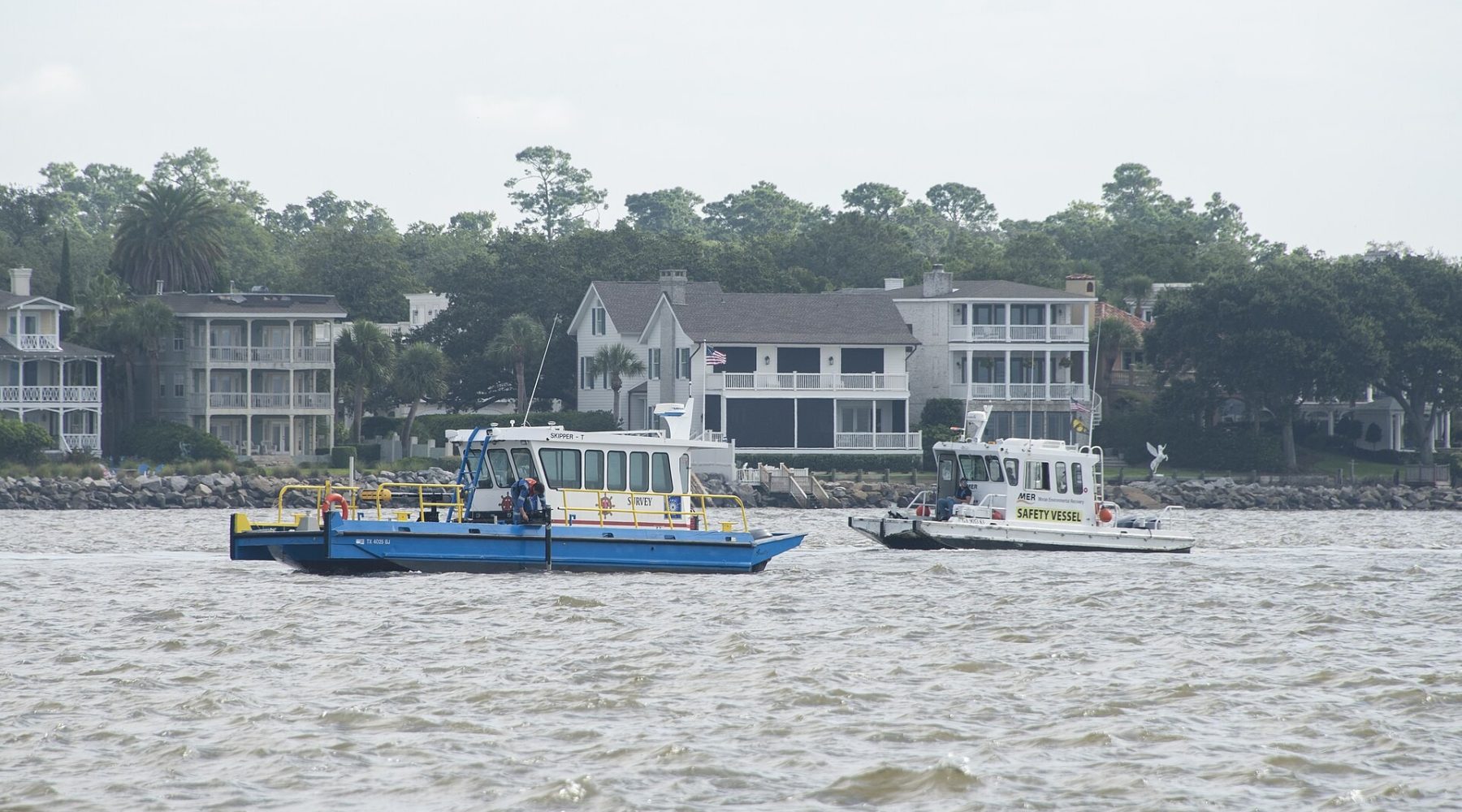
The process typically starts with a desktop route study using existing bathymetric and geological data to propose a candidate corridor, followed by a marine route survey — a dedicated survey vessel running multibeam bathymetry, sub-bottom profiling, and seabed sampling along the full proposed route to confirm seabed conditions actually support the planned burial depth and cable type. Any hazard the survey finds — an unstable slope, an unexpected obstruction, an area of exposed hard rock that resists trenching — usually means adjusting the route, sometimes by a meaningful distance.
In parallel, every coastal state the route touches, lands in, or crosses requires its own permitting process: environmental impact assessment, fisheries and marine-traffic consultation, and formal landing rights approval, each with its own timeline and its own regulatory body. A system with three landing points in three different countries effectively runs three parallel regulatory tracks that all have to close out before construction can proceed, and any one of them running long delays the whole project.
Kestrel Route’s terrestrial crossing through Egypt added an entirely separate layer — terrestrial right-of-way permitting along two physically diverse duct corridors, negotiated with a different set of regulatory bodies than the marine permitting track entirely. Projects with a terrestrial crossing routinely take longer in the permitting phase than an all-marine system of comparable length, for exactly this reason.