The single largest cause of subsea cable faults worldwide isn’t a storm, an earthquake, or equipment failure — it’s a ship’s anchor or a fishing trawler’s gear striking a cable in shallow water, typically within the continental shelf zone where most human maritime activity actually happens. Deep-water cable, once past the shelf, is remarkably safe; shallow water near shore is where nearly every operator’s real risk concentrates.
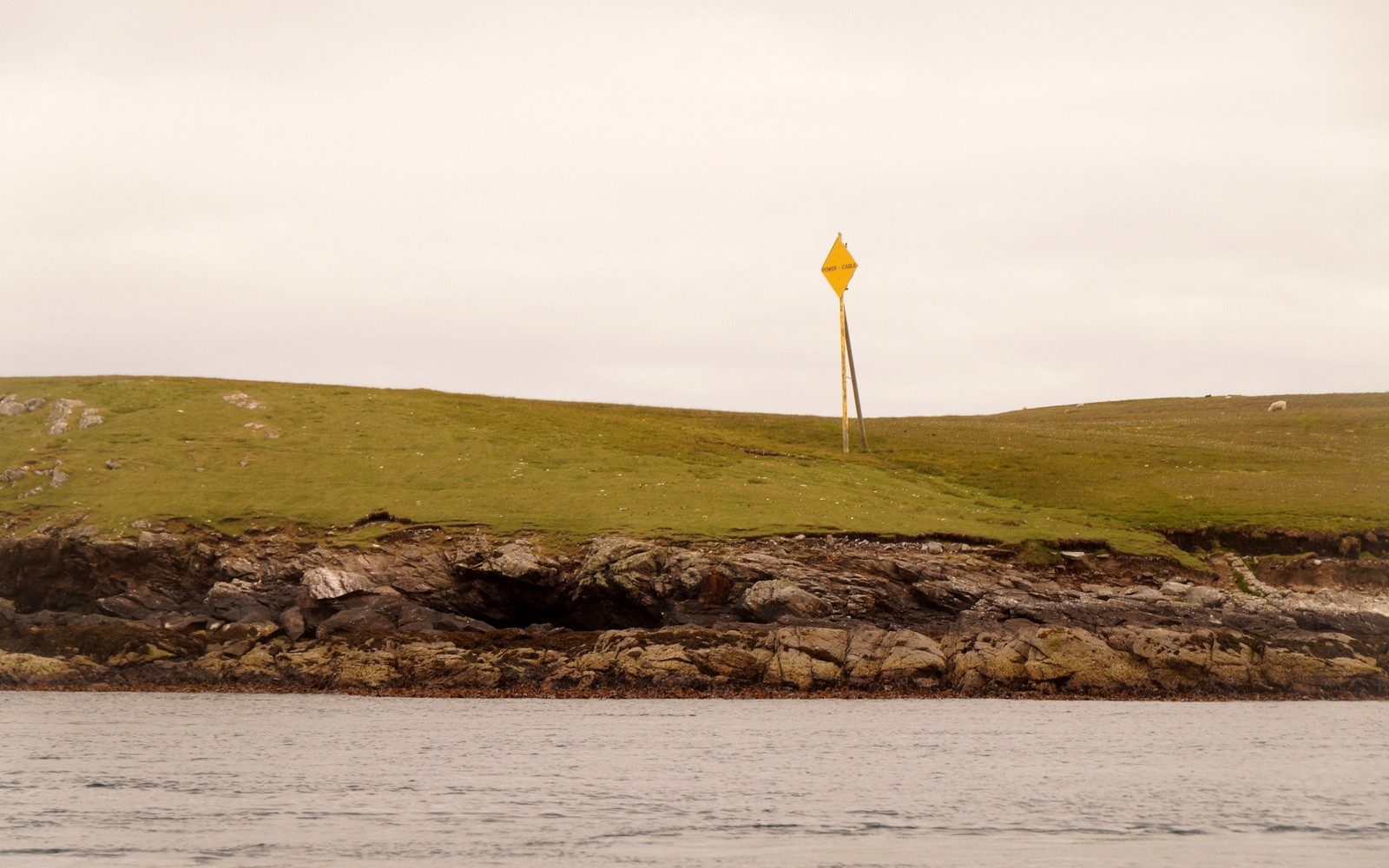
A cable protection zone is a legally designated area around a cable route — typically extending some distance either side of the cable’s charted position — within which anchoring and certain types of bottom fishing gear are restricted or prohibited by the coastal state’s maritime authority. Establishing one requires working with national maritime regulators, publishing the restriction in official nautical charts and notices to mariners, and in many jurisdictions an ongoing enforcement and mariner-education relationship with local fishing fleets and shipping traffic.
We pursue protection zone designation for every new system where the coastal state’s regulatory framework supports it, and the fault-rate difference is measurable: our systems with an established, well-marked, actively enforced protection zone see meaningfully fewer shallow-water faults over comparable operating periods than routes without one. It’s not a guarantee — a protection zone reduces risk, it doesn’t eliminate the possibility of an errant anchor — but it’s one of the highest-leverage things a cable operator can do for a system’s long-term reliability, and it costs far less than the alternative of full-time guard-vessel coverage.
We also physically bury cable to a minimum depth across the entire shelf zone on every system we build, specifically because burial (not protection-zone designation alone) is what actually stops most anchor and trawl-gear strikes from reaching the cable even when a vessel does cross the route.